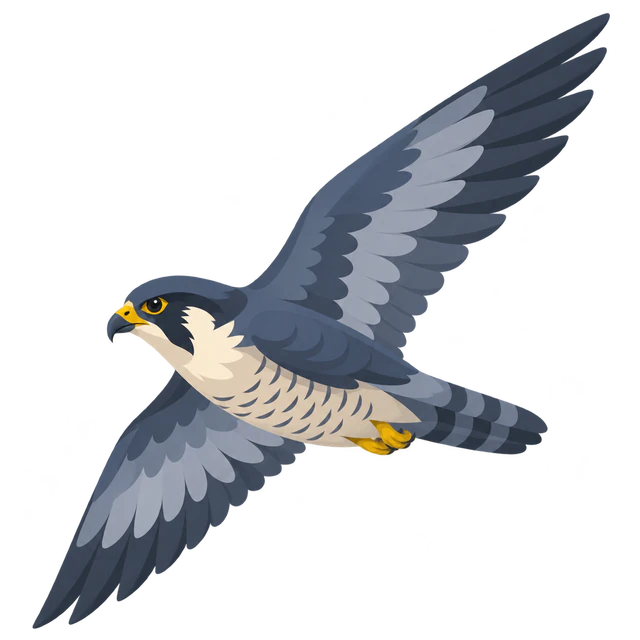
Explore with curiosity and care.
Some journeys begin with a bird you’ve always wanted to see. Along the way, you might meet someone who knows where it feeds, what it sounds like, and what’s changing in the forest it calls home.
AVES brings together a field guide, trip planner and journal for journeys like that.
See how planning works →Meet the team
Follow your curiosity
Explore birds, landscapes and local knowledge, then shape a journey around your interests and pace. Keep your plans and memories together in My Trips.
Travel with respect
Listen to local voices and give wildlife space. We’ll check access guidance and find out who can guide or host your visit on your dates.
A guide to some of the most biodiverse places on Earth
Explore Colombia, Australia and Aotearoa New Zealand through their birds, landscapes and local stories. Our map shows two ways to understand where biodiversity is concentrated.
- Megadiverse countries
- Seventeen countries are recognised for their exceptional variety of life. The classification focuses on species found nowhere else and requires each country to have marine ecosystems. Classification criteria
- Biodiversity hotspots
- These 36 regions each have at least 1,500 vascular plant species found nowhere else and have lost at least 70% of their original natural vegetation. Hotspot criteria